

The Top Data Science Tools in 2025
Level up your Data game with the definitive list of Data Science tools in 2025














Machine Learning & Modeling
 Neptune.ai
Key Features
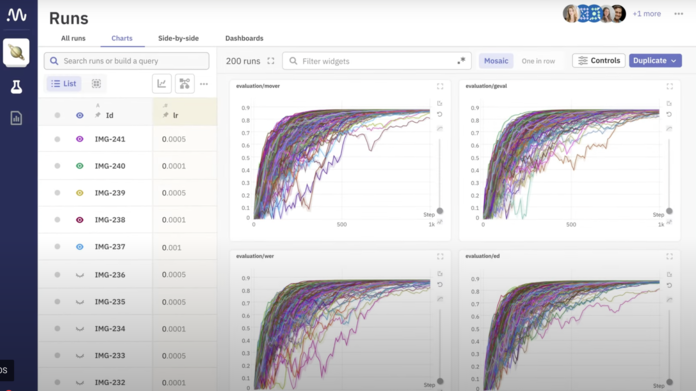
- Track model training experiments
- Compare hyperparameters and metrics
- Visualize training curves and results
- Share projects across teams
- Lightweight integration with ML pipelines
Neptune.ai is a metadata store for MLOps, built to track, visualize and organize machine learning experiments. It's designed for teams needing model versioning, reproducibility and efficient collaboration. Neptune supports various ML frameworks and integrates into your existing pipelines.
 Google Colab
Key Features
- Free access to GPUs/TPUs
- Seamless integration with Google Drive
- Supports Python and major ML libraries
- Real-time collaboration
- No installation required
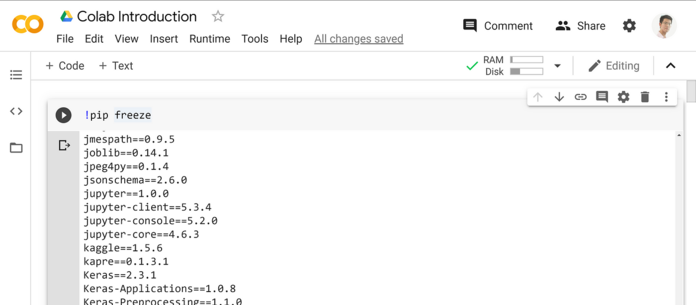
Google Colab is a cloud-based Jupyter notebook environment that allows you to write and execute Python code directly in your browser. It's ideal for machine learning, data analysis and deep learning tasks. With free access to GPUs and easy sharing capabilities, Colab can help you streamline collaborative and reproducible data science workflows.
 Kaggle
Key Features
- Public and private competitions
- Hosted notebooks with GPU support
- Extensive dataset repository
- Community forums and kernels
- Integration with Google Cloud
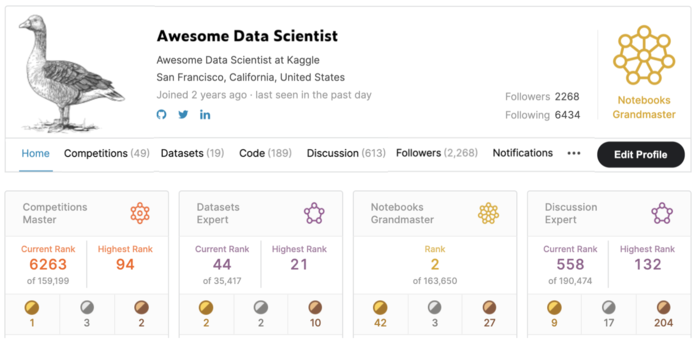
Kaggle is a platform offering datasets, code notebooks and competitions for data scientists at all skill levels. It's a great environment for learning new techniques, benchmarking models and engaging with a vibrant data science community. It also provides hosted Jupyter notebooks with GPU support and thousands of public datasets.
 AWS SageMaker
Key Features
- Fully managed Jupyter notebooks
- Built-in AutoML capabilities
- Model hosting and A/B testing
- Ground Truth for labeling data
- Integrates with S3, EC2, and other AWS services
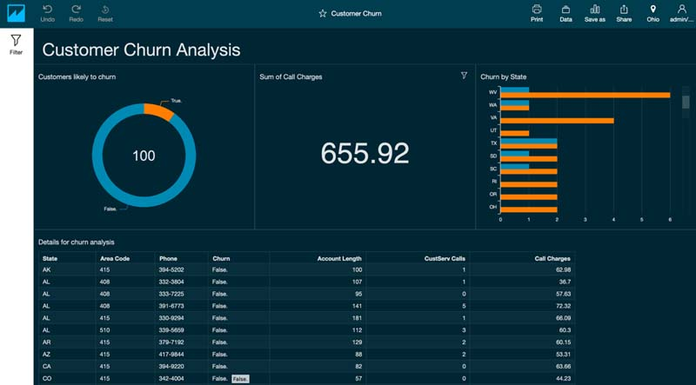
Amazon SageMaker is a comprehensive ML service that enables you to build, train and deploy machine learning models at scale. It's integrated with the AWS ecosystem and provides flexible infrastructure for data scientists to experiment and iterate. It also supports popular open-source frameworks like TensorFlow and PyTorch.
 Altair RapidMiner
Key Features
- Visual drag-and-drop interface
- Extensive library of prebuilt algorithms
- Automated model validation
- Real-time scoring and deployment
- Team collaboration features
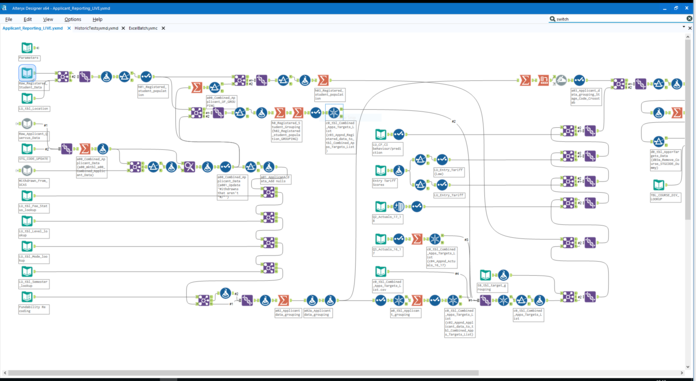
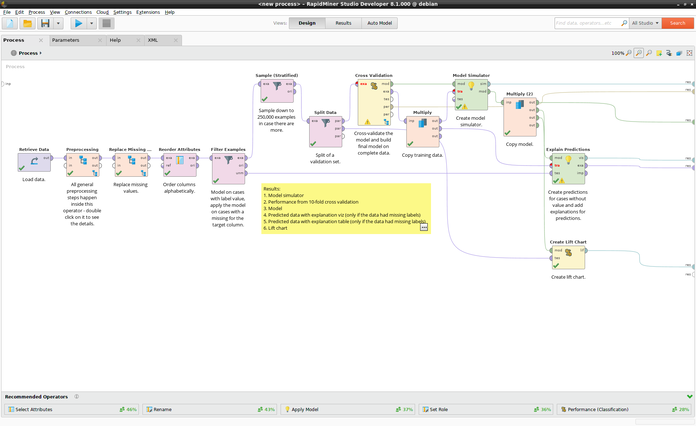
Altair RapidMiner is a data science platform aimed at accelerating the development and deployment of machine learning models through a visual workflow interface. It combines data preparation, modeling and deployment in a single tool. This is ideal for data scientists who prefer a low-code environment without compromising flexibility.
 Streamlit
Key Features
- Turn Python scripts into web apps
- Supports widgets and user inputs
- Real-time app updates
- Integrates with ML libraries (Pandas, TensorFlow)
- Open-source and lightweight
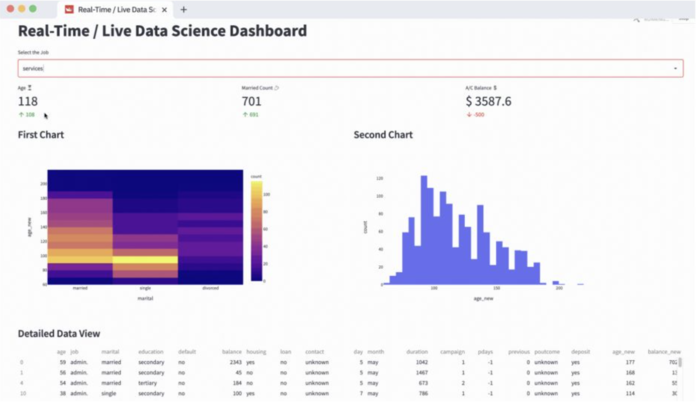
Streamlit is a Python-based app framework specifically built for machine learning and data science projects. It enables quick transformation of data scripts into interactive web apps with minimal code. Ideal for prototyping models and sharing insights interactively without needing frontend expertise.
 IBM Watson Studio
Key Features
- AutoAI for automated modeling
- Hosted Jupyter Notebooks
- Visual modeler interface
- Integration with IBM Cloud and Watson APIs
- Collaboration tools for teams
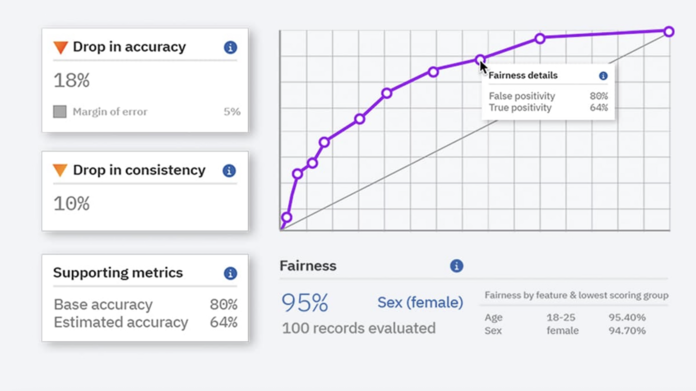
Watson Studio provides a suite of tools for building, training and managing AI models on the IBM Cloud. It supports both open-source and IBM-developed tools and enables collaborative, scalable workflows. Data scientists can leverage AutoAI, notebooks and model monitoring all in one platform.
 Databricks
Key Features
- Scalable Apache Spark engine
- Unified notebooks for Python, SQL, Scala
- MLflow for model tracking
- Real-time and batch processing
- Cloud-native and collaborative
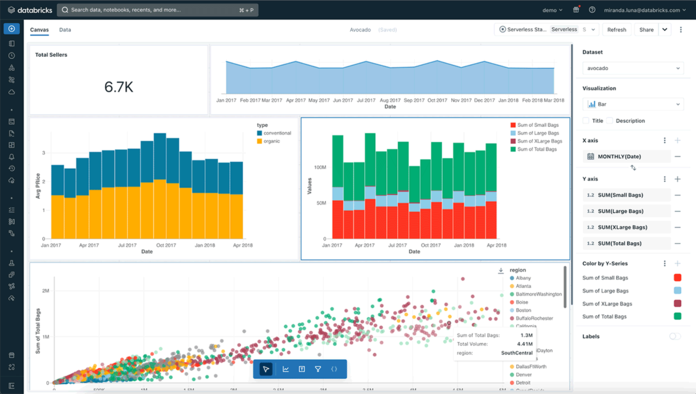
Databricks is a unified analytics platform built on Apache Spark, offering collaborative environments for data science, engineering and business. It supports massive-scale data processing, ML training and real-time analytics. The platform integrates tightly with cloud storage and supports notebooks, SQL and MLflow.
 MLflow
Key Features
- Track and log experiments
- Model packaging and reproducibility
- REST API for model serving
- Integration with major ML libraries
- Support for local and cloud deployment
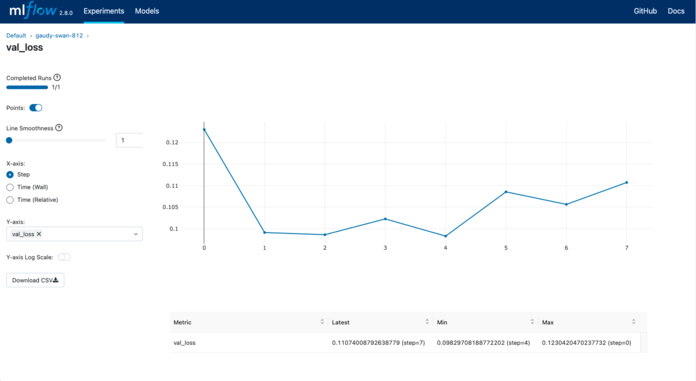
MLflow is an open-source platform for managing the complete machine learning lifecycle, including experimentation, reproducibility and deployment. It's framework-agnostic, allowing data scientists to work across languages and environments. MLflow simplifies tracking experiments, packaging models and serving them in production.
 KNIME
KNIME
Key Features
- Visual workflow builder
- Built-in data mining and ML tools
- Connects to Python/R/Spark
- Scalable processing with KNIME Server
- Open-source and enterprise-ready
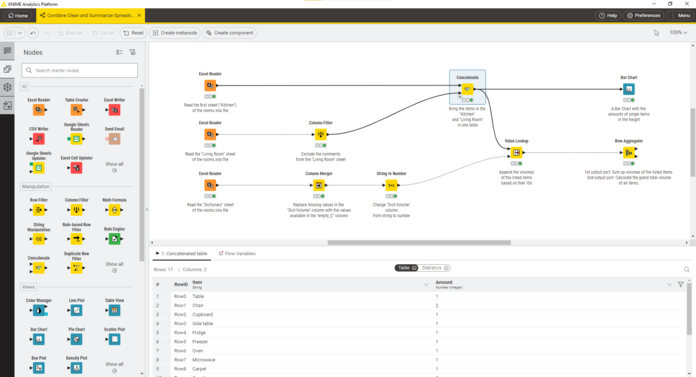
KNIME is an open-source analytics platform for creating data science workflows through visual programming. It supports a wide array of data wrangling, machine learning and modeling tools with minimal code. KNIME is suitable for both beginners and advanced users looking for customizable pipelines.